15 January
Physiotherapy
Unlocking Daily Mobility: The Role of Physiotherapy in Enhancing Everyday Movement
- Andrew Ahn
- 0 Comments
Feeling stiff while tying your shoes? Struggling to carry groceries without discomfort? If everyday tasks feel harder than they should, you’re not alone—and you’re not stuck. With support from targeted physiotherapy, you can retrain the way you move, reduce pain, and build the mobility you need to stay active in your life.
At MVMT Physio & Chiro in St Albert, we focus on sustainable, movement-driven care. That means more than temporary relief. We’re here to help you create better habits, starting with the movements you repeat every day—how you sit, stand, lift, carry, and climb stairs. When you move better, life moves more easily, plain and simple.
The basics of movement: Understanding the role of physiotherapy
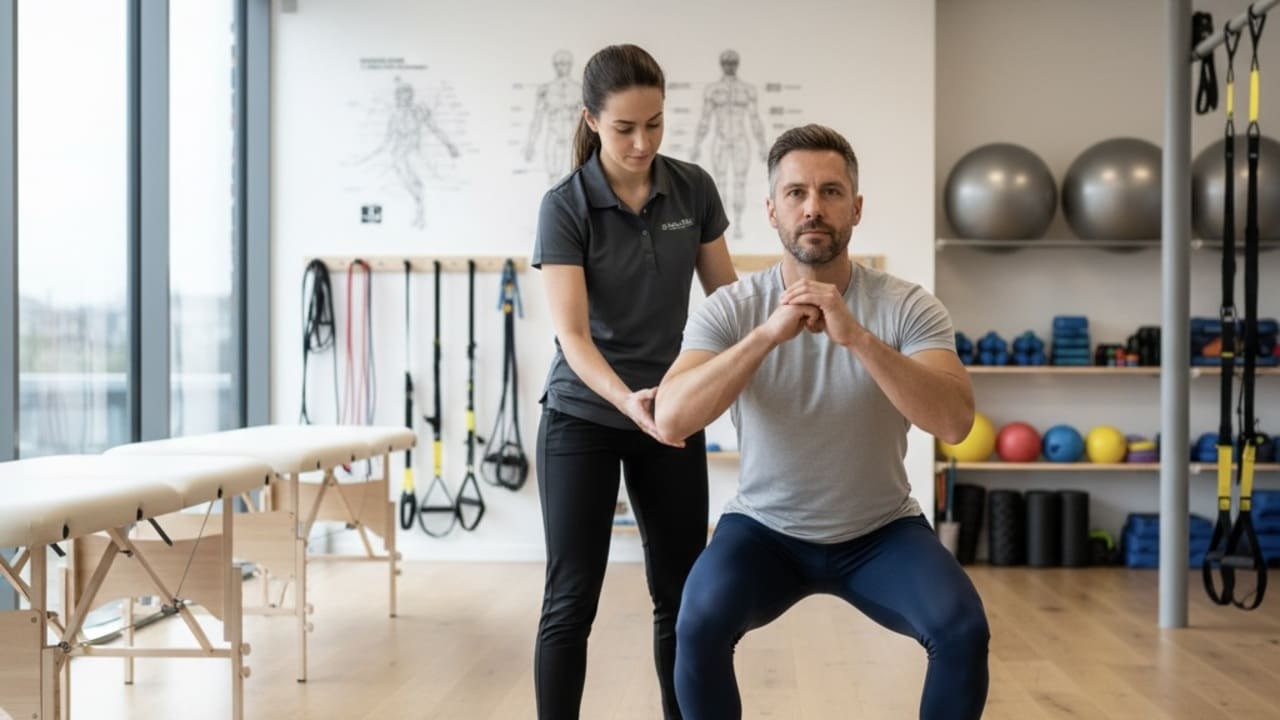
Physiotherapy is grounded in science but built for real life. At its core, physiotherapy is a clinical approach to restoring movement and physical function. It starts with assessing how your body moves now, then developing a plan to help you move more efficiently, with less strain and more control.
Every joint, muscle, and movement pattern is connected. Small inefficiencies in how you bend, lift, or walk can add up fast—causing pain, stiffness, or fatigue. Physiotherapy helps retrain movement patterns to support better biomechanics. Over time, this improves performance and prevents future issues during basic activities like reaching into cabinets or sitting at your desk.
According to the National Institutes of Health, movement-focused rehabilitation is one of the most effective ways to address musculoskeletal discomfort and maintain function long-term.
Identifying and overcoming movement challenges
Daily movement challenges don’t always show up with dramatic symptoms. Often, they appear as persistent stiffness, nagging soreness, or the slow feeling that you’re “just not moving like you used to.” Here are a few common examples:
- Low back discomfort when lifting children or groceries
- Neck and shoulder tension from working at a desk
- Knee pain going up or down stairs
- Hip tightness getting in and out of the car
Your physiotherapist will start with a full assessment—not just where you hurt, but how you move. We look at your posture, alignment, muscle engagement, and flexibility, then identify where movement habits are holding you back. From there, we prioritize strategies that fit into your life while supporting how your body moves day to day.
Physiotherapy techniques for everyday ease
No two bodies move the same way, but many daily habits create similar stress patterns. At MVMT Physio & Chiro, we use proven techniques to build strength, flexibility, and coordination where it matters most. Here are a few you might encounter:
| Technique | Purpose | Daily Impact |
| Movement retraining | Teaching efficient, safe movement patterns | Improves lifting mechanics and walking gait |
| Manual therapy | Mobilizing joints and soft tissue | Reduces stiffness and improves joint range |
| Targeted strengthening | Stabilizing weak areas | Supports posture, balance, and endurance |
| Neuromuscular re-education | Improving body awareness | Enhances coordination for smoother movements |
These techniques all serve a single goal: helping you move more efficiently in the real world. Folding laundry, gardening, commuting, or parenting—these skills translate directly to how your body performs throughout your life.
Learn more about these options on our page on common physiotherapy techniques and how they support mobility.
Customizing physiotherapy to your daily life
No two movement patterns are alike, which means no two treatment plans should be either. Whether you’re a busy parent managing kids and deadlines, an athlete recovering between training sessions, or simply someone who wants to keep walking pain-free around the block—your physiotherapy should match your reality.
At MVMT Physio & Chiro, we spend time understanding what your day looks like. We want to know where movement is breaking down and where you need the most support. Then we build a step-by-step plan that works with your schedule and your goals. We’ll teach you how to adjust daily habits—not overhaul your routine overnight. Consistency over complexity is the key to building lasting habits.
Sustaining healthy movement practices at home
What you do outside the clinic matters just as much as what happens during your sessions. That’s why we focus on giving you tools you can use at home, at work, or wherever life moves you.
Here are a few strategies to help maintain progress between appointments:
- Set movement triggers: Link exercises to habits you already have, like stretching while the coffee brews.
- Keep gear nearby: A resistance band next to your desk is an easy visual cue.
- Track your progress: Logging symptoms or function helps you stay focused and motivated. Need help getting started? Review our tips on tracking physiotherapy progress.
- Pace yourself: You don’t need long workouts. Short, consistent efforts every day go a long way.
We also teach proper pacing and rest strategy, so you’re less likely to overcompensate, push too far, then land back at square one. The goal isn’t perfection—it’s progress you can repeat and sustain.
Physiotherapy benefits beyond the clinic
Improving movement patterns isn’t about quick fixes. When your body moves better, you reduce wear and tear, manage pain more effectively, and increase your confidence in doing the activities you care about.
Over time, many patients experience:
- Lower injury risk during routine activities
- Improved posture, balance, and alignment
- Fewer flare-ups of chronic conditions
- Increased control and coordination
The World Health Organization emphasizes mobility and functional independence as key pillars of long-term health. Physiotherapy supports both by helping patients stay active, mobile, and resilient in everyday life.
If you’re looking to start a personalized physiotherapy program that fits your day-to-day life, we’re ready to support you from the ground up—starting with the way you move.
Start moving better with a plan built for you
If you’ve been working around discomfort, postponing movement, or adjusting your life to pain, you don’t have to anymore. Physiotherapy offers a proactive, proven way to get back to moving confidently through daily tasks—with purpose and control.
At MVMT Physio & Chiro, we’re here to guide you toward better movement habits that support your lifestyle, not sideline it. Whether you’re recovering from an injury or supporting long-term function, our team of skilled physiotherapists in St Albert is ready to help you build a plan that works now and adapts as you do.
Frequently asked questions
What everyday activities can physiotherapy help improve?
Physiotherapy can support better movement during a wide range of tasks, including walking, sitting at a desk, climbing stairs, lifting children or groceries, driving, household chores, and recreational exercise. The focus is on building safer, more efficient movement habits for whatever your day involves.
How often should I perform the recommended physiotherapy exercises to see improvements?
This depends on your treatment plan, but most people benefit from doing their exercises at least 4 to 5 days per week. Short, consistent sessions are more effective than long, occasional ones. Your physiotherapist will adjust the frequency as you progress.
Can physiotherapy techniques be adapted as my mobility and movement habits improve?
Yes. As your movement patterns improve and your body adapts, your program will evolve with you. Exercises will shift to focus on next-level goals, and your physiotherapist may introduce more advanced strategies to build on previous gains.
Related Posts